


Most people pick up a heating pad, plug it in, and assume that's as good as it gets. But if you've ever used one and still gone to bed with a tight neck or a dull headache, the problem might not be you — it might be what's inside the pad.
Herbal wraps work differently, and the difference isn't marketing. It comes down to materials: what fills the wrap, which herbs are included, and what fabric holds it all together. Those choices ripple through every single use — how heat is distributed, how long it holds warmth, whether the scent is actually therapeutic or just decorative, and whether the wrap is still worth using two years from now.
Here's what's actually inside a quality herbal wrap, and why it matters.
Flax Seeds: The Unsung Hero of Thermal Retention
The filling is where everything starts. Cheap heating pads use synthetic beads or rice. Quality herbal wraps use flax seeds — and the difference is significant.
Flax seeds are dense and small, which means they pack tightly and conform to the curves of your neck, shoulders, or the area around your eyes. That conforming weight creates gentle pressure on the muscles underneath — similar in principle to how a weighted blanket works, but targeted. Instead of draping loosely over a sore shoulder, the wrap settles into it.
Flax seeds also retain heat well and release it gradually and evenly. You're not getting a hot spot that cools in five minutes. The warmth stays consistent long enough for muscles to actually respond to it — to soften, to release, rather than just feeling briefly warm before you have to reach for the microwave again.
When you use a cold therapy option, the same density works in reverse: flax seeds hold the chill without becoming uncomfortably rigid, so the wrap stays pliable and comfortable against your skin.
The Herb Blend: Not Just for Smell
A lot of wraps list "herbs" on the label and leave it there. But the herbs inside your wrap determine whether the aromatherapy is genuinely calming or just a faint background note that disappears after the first few uses.
Kozi wraps use a physician-formulated blend that includes chamomile, lavender, spearmint, peppermint, lemongrass, rosemary, cinnamon, hops, white willow, passionflower, and vanilla. That's not a random assortment — each herb brings something specific. Lavender and chamomile are well-established for their calming properties. Peppermint and spearmint carry a cooling, clarifying quality that can help with tension headaches. Passionflower and hops have long been used in traditional wellness contexts for their relaxing associations.
When the wrap is warmed, heat activates the essential oils in these herbs, releasing them as gentle aromatherapy. You're not just getting heat therapy — you're getting scent therapy at the same time, which is why using a well-made herbal wrap before bed feels fundamentally different from lying down with a standard electric pad.
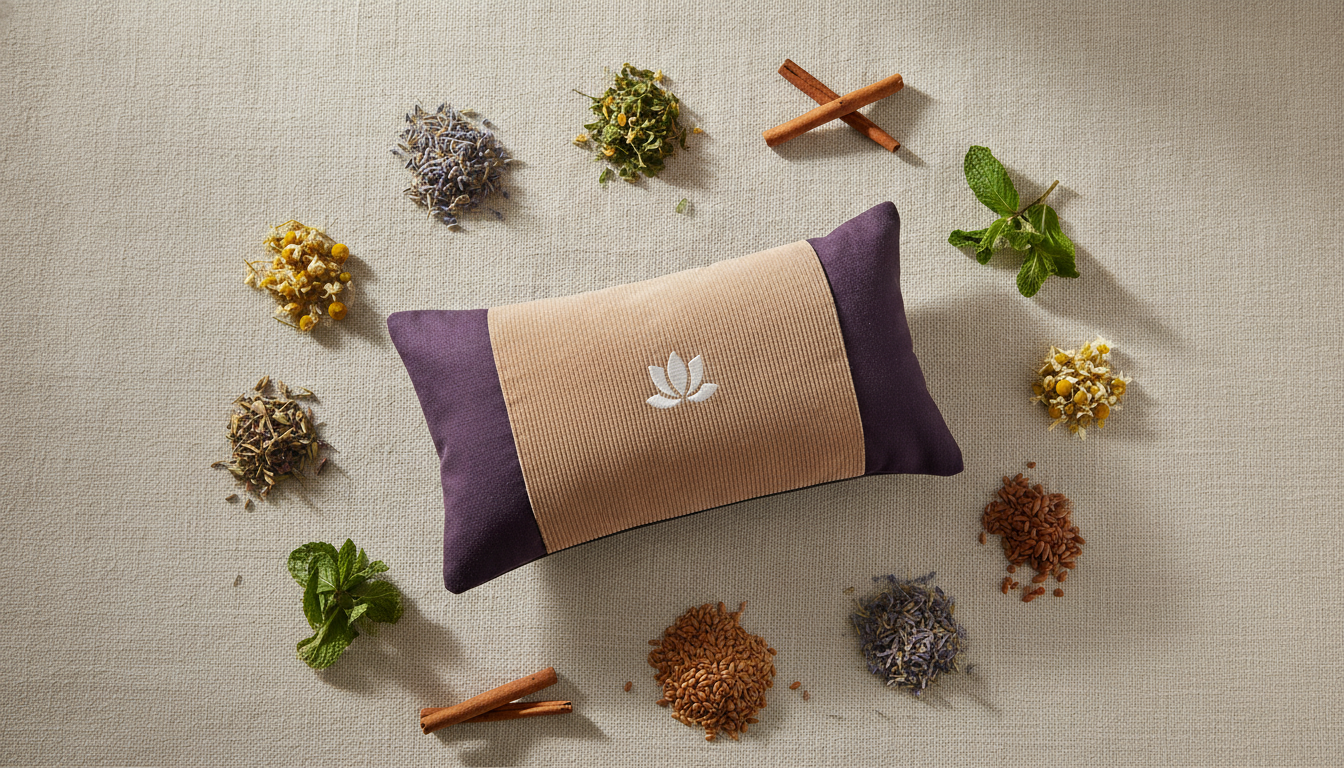
The quality and quantity of herbs also affects longevity. A wrap that's lightly dusted with herbs will lose its scent within weeks. A wrap with a generous, well-dried herb blend can hold its aromatherapy properties through many, many uses — which is part of what makes the investment in a quality wrap worth it over time.
Fabric: What You Feel Every Single Time
The filling does the therapeutic work. The fabric determines whether you actually want to use the wrap every night or whether it ends up in a drawer.
Kozi wraps come in velour, twill, chenille, and silk options. These aren't just aesthetic choices. Softer, higher-quality fabrics feel noticeably different against tired skin — especially around the neck and eyes, where you're most sensitive. A scratchy or stiff exterior undermines the whole point of a relaxation product.
Durability matters just as much. A well-constructed wrap goes through hundreds of heat cycles over its lifetime. Fabric that can't hold up to repeated microwaving will pill, thin out, or start to smell off. The construction — how the seams are finished, how the fill is contained — determines whether you have a wellness tool that lasts years or one that falls apart in a season.
Why Design Shape Is Part of the Formula
Even the best materials won't help much if the wrap doesn't stay where you need it. An ergonomic design — a neck wrap shaped to drape over the shoulders, an eye mask with an adjustable strap — means the heat and pressure land on the right muscles, not sliding off to the side while you try to relax.
This is especially relevant if you're dealing with desk-related tension. Sitting at a screen for hours tends to lock up a very specific set of muscles: the base of the skull, the tops of the shoulders, the area between the shoulder blades. A wrap that's shaped for that anatomy delivers targeted relief. A generic rectangular pad just sits on top of it.
The Sleep Connection
One reason herbal wraps have become a genuine sleep aid for a lot of people isn't mystical — it's physiological. Warmth signals the body to relax. Aromatherapy from herbs like lavender and chamomile cues the nervous system to downshift. Gentle weighted pressure eases muscle tension that, if left unaddressed, keeps you shifting and waking through the night.
If you've been waking up stiff, or you're lying awake with a tight neck from a long day at the desk, a herbal wrap used as part of a wind-down routine addresses those specific issues — not just the surface sensation of warmth. That's the difference between a product that makes you feel briefly better and one that actually changes how you sleep.
For more on why eye strain and fatigue compound this problem, this post on why your eyes feel exhausted by evening is worth a read — the connection between eye tension and poor sleep is more direct than most people realize.
What to Look for When You're Choosing One
If you're evaluating herbal wraps, here's what actually matters:
- Filling: Flax seeds over rice or synthetic beads — better heat retention, better contouring, longer lifespan.
- Herb blend: Look for a specific list of herbs, not just "herbal blend." The more transparent the ingredient list, the more confident you can be in the aromatherapy quality.
- Fabric: Soft enough to use against bare skin; durable enough to survive regular microwaving without degrading.
- Shape and fit: Designed for the body area you're targeting, not a one-size-fits-all rectangle.
- Hot and cold versatility: A wrap that works both warmed and chilled gives you options — warmth for tension and relaxation, cold for inflammation or headaches.
Most cheap heating pads fail on at least three of these. Most quality herbal wraps, when they're made well, deliver on all five.
See how Kozi wraps are made and explore the full collection at koziwellness.com.
Frequently Asked Questions
Why are flax seeds better than rice in a heating wrap?
Flax seeds are denser and smaller than rice, which means they pack more tightly and conform better to body contours. They also retain heat more evenly and for longer, and they hold up better through repeated heat cycles without breaking down or developing an off smell the way rice can over time.
How do I know if the aromatherapy in a herbal wrap is actually effective?
Look for a wrap that lists specific herbs rather than just "natural fragrance" or "herbal blend." The aromatherapy is activated by heat — when you warm the wrap, the heat releases the essential oils from the dried herbs. A wrap with a generous, well-dried herb blend will maintain its scent and therapeutic quality through many uses. If the scent fades after just a few uses, the herb content was likely minimal to begin with.
Can I use an herbal wrap for both heat and cold therapy?
Yes — quality herbal wraps like those from Kozi are designed for dual use. For heat therapy, you warm the wrap in the microwave; for cold therapy, you place it in the freezer. The flax seed filling holds both warmth and cold well while remaining pliable and comfortable, making it useful for both muscle tension relief and inflammation or headache relief.
How long does a quality herbal wrap last?
A well-made herbal wrap — with quality flax seed filling, a durable fabric exterior, and properly dried herbs — can last for many years with regular use. The key factors are fabric quality (it needs to withstand repeated heat cycles without degrading) and herb quality (a generous blend holds its aromatherapy properties far longer than a lightly scented one). Proper care, like avoiding over-microwaving, also extends the life of the wrap significantly.